
 English
 中文
 Indonesia
 Việt Nam
 ไทย
 Football
 Basketball
 Live
 Sport News
 Standings
 Forum
 Download App
 Alternate URL
The UK Championship only revealed four spots in the round of 16 on the first day. Chang Bingyu led three national team players to the starting lineup, and there were three championship-level matches to follow. China fielded nine players, which looked impressive, but with few spots and tough opponents, the question remains: who will actually make it in?
The UK Championship has raised the champion's prize money to £312,500, increasing the total prize money by 25%. This is not just a simple bonus; it's more like a revaluation of pricing, reinstating the UK Championship's commercial status in the players' season accounts.
China fielded a total of 9 players, 4 of whom were seeded. This number is certainly commendable, but the number of seeded players only indicates an improvement in the ranking structure and cannot be automatically translated into a probability of winning the championship.
The first day of competition only produced 4 spots in the round of 16, but the schedule was packed with many tough matches. With the prize money increasing, the margin for error in each game is decreasing, and players' risk preferences will change accordingly.
The Chinese team this time resembled a clearly stratified squad, with seeded players holding onto their rankings and unseeded players responsible for pushing for upsets. Their numerical advantage could generate buzz, but it might not necessarily create a series of deep rounds.

The increased prize money is not a universal benefit, but rather raises the bar for top-tier tournaments. The participation of nine Chinese players is more like a structural check-up. The real test is not whether there are Chinese faces on the first day, but who can turn the first day into the start of the week.
The £312,500 prize money for the champion is substantial in a snooker season, but it won't be distributed evenly among everyone. The higher the prize money, the more willing top players are to focus their form and schedules on the UK Championship.
The value of China's four seeded players lies in this: they don't have to find their rhythm from the fatigue of the qualifying rounds. However, being a seed only buys them a more secure ticket to the next round, not a guaranteed advantage after the round of 16.
Chang Bingyu, Zhou Yuelong, and Fan Zhengyi made their debut on the first day. The three were in different situations. Some were facing internal competition, while others were playing against players missing Grand Slam titles. The schedule directly revealed the different levels of the Chinese team.
Outsiders might easily interpret the presence of nine players as a group advantage, but the professional snooker draw doesn't consider the number of players. No matter how many Chinese players are in one half of the draw, the round of 16 spots are only allocated based on wins and losses on the table.
A 25% increase in prize money will also change the psychological dynamics of the tournament. Lower-ranked players will be more willing to take risks, while higher-ranked players will be more afraid of being eliminated early. Therefore, the first round of the UK Championship is not only a test of skills, but also a test of risk management.
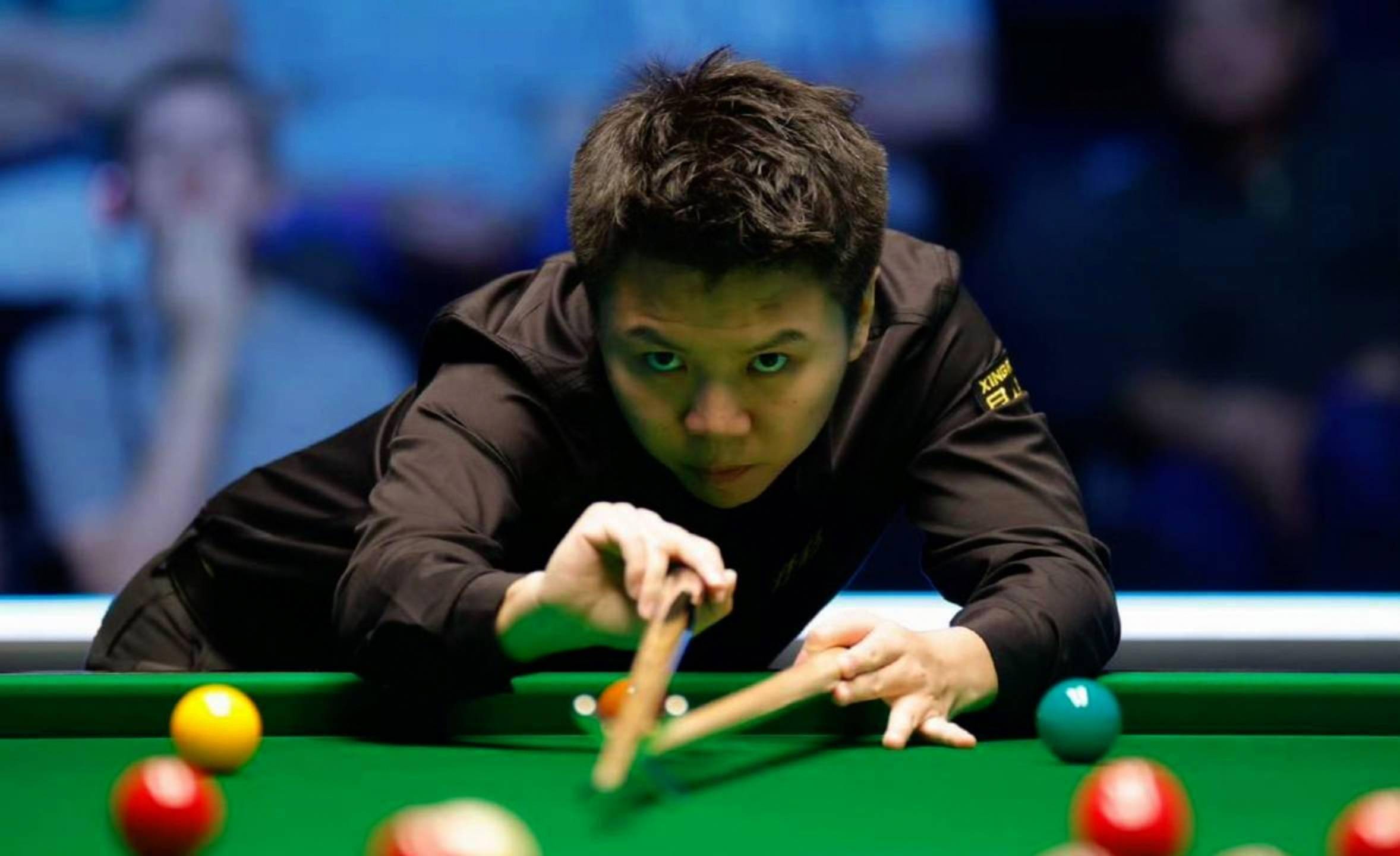
The challenge for Chinese players isn't a single miraculous shot, but rather the ability to consistently deliver consistent performances over multiple rounds. The four available spots on the first day acted like a narrow gate; only those who managed to squeeze through were qualified to discuss prize money and rankings.
The number of players does not equal the number of championships. The four round of 16 spots on the first day will force everyone to reveal their true rankings. What the Chinese team needs is to turn the number of players into wins. This may not sound nice, but it is the most basic calculation in the UK Championship.
Prize money and quotas are just external factors. What truly determines a player's potential is their ability to switch between long and short games. The more exciting the first day of the UK Championship is, the more we need to see the true value of Chinese players' victories.
For Chinese athletes to win the championship, they cannot rely solely on sheer numbers; they also need individuals who consistently win tough battles. The four spots available on the first day serve as the most straightforward selection criterion.
Chang Bingyu clashes with Zhou Yuelong; civil war begins with a psychological test.
At 3 a.m. on November 29, Chang Bingyu will face Zhou Yuelong. This Chinese derby is scheduled for the coldest time of the day. The cold time may not necessarily mean a cold game, but it may actually turn into a psychological battle.
Zhou Yuelong had previously won two matches against Chang Bingyu, giving him a favorable head-to-head record. However, these two wins were both an advantage and a burden. The more an opponent was considered to have the upper hand, the more easily they could be bogged down by the fluctuations in short-game matches.
Chang Bingyu has no way out, and may be even more daring to make a move. The cruelty of the derby lies in the fact that the two sides are familiar with each other, their strategies cannot be hidden, and their on-the-spot feeling will be amplified.
Zhou Yuelong's two wins are not an insurance policy, but Chang Bingyu's best aiming scope. In internal battles, the most feared thing is not falling behind, but using historical records as a psychological crutch. The key to this game is not the record, but who puts down the record first.
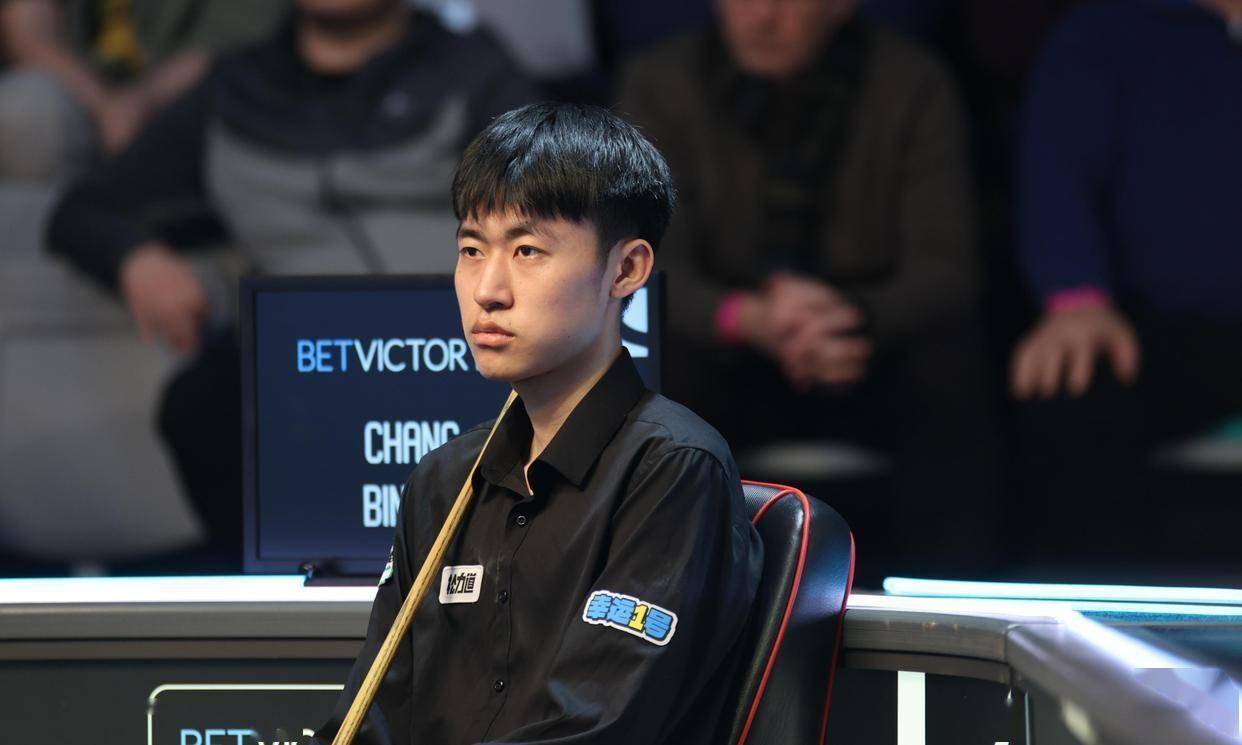
The 3 a.m. game tests not only accuracy, but also rest and concentration. Professional players are certainly used to playing at night, but the longer the waiting time on the first day, the higher the emotional cost.
At the same time, Fan Zhengyi will face Kyren Wilson. The outside world's expectations for this match are more inclined towards the opponent. Kyren Wilson is only one major Grand Slam away from the UK Championship. This gap will become a motivation, but also a pressure.
Fan Zhengyi is not just a decorative figure in the draw; what he needs to do is drag the match into a rhythm that makes his opponents uncomfortable. Against players aiming for a Grand Slam, taking the initiative and minimizing mistakes are more important than spectacular breaks.
Kyren Wilson's obsession with the UK Championship is very real. The closer you get to a major championship, the more you tend to give extra meaning to every shot. The first round of the UK Championship is not the final, but psychologically it may feel like the final.
Chinese fans tend to view Fan Zhengyi's match as a losing game, but losing games are precisely the ones that test tactical discipline the most. As long as the score stays close, the pressure will shift from the challenger to the challenged.
The internal battle between Chang Bingyu and Zhou Yuelong will also create a real problem: after Chinese players wear each other down, how much form will the winner take away? Winning a derby match does not mean that you will automatically improve in international matches; psychological release and physical exhaustion often occur simultaneously.
If Fan Zhengyi can drag Kyren Wilson into the second half of the match, the narrative of the game will change. What Grand Slam contenders fear most is not their opponents' outbursts, but rather starting to calculate how many games they still need to win.
The highlight of the Chinese team's first day is not the appearance of three players, but who can turn a disadvantage into a pressure ball. In the internal battle, it is about psychology, and in the international battle, it is about execution. The four seats on the first day will not give anyone a chance to warm up slowly.
At 3 a.m., the pain of mistakes is amplified, but so is the value of winning. The four round of 16 spots on the first day will not wait for anyone; whoever stabilizes first will gain the upper hand.
Zhou Yuelong needs to prove that his two wins were not accidental, Chang Bingyu needs to prove that history can be rewritten, and Fan Zhengyi needs to prove that even a downwind ball has teeth. These three different tests are testing the same kind of hardness.
The group advantage of Chinese snooker is often discussed, but when it comes to the actual draw, each person is still fighting alone. Derby matches can only guarantee the advancement of one Chinese player, while international matches determine the breadth of the Chinese contingent.
In a championship-level match of Blackjack, it's not just about skill.
At 9 PM, Selby will face Celtic, and Mark Williams will play against Maguire. These two matches will make the first day's competition incredibly exciting, with top players clashing. There are no warm-up matches in the draw, only immediate eliminations.
Selby's matches are never just a contest of accuracy; he excels at dragging his opponents into a quagmire of patience and choice. If Selby wants to pull off an upset, he can't follow Selby's rhythm.
Both Mark Williams and Maguire are players who can go on a scoring spree when they get hot. This matchup may determine the momentum even earlier than the score. Whoever scores consecutive points first will be able to provoke the opponent's desire to take risks.
With four Round of 16 spots available on the first day, the dense schedule leaves no room for established players to start slowly. The start of the UK Championship main draw is like a compressed file; if you're slow to decompress it, you'll be eliminated.
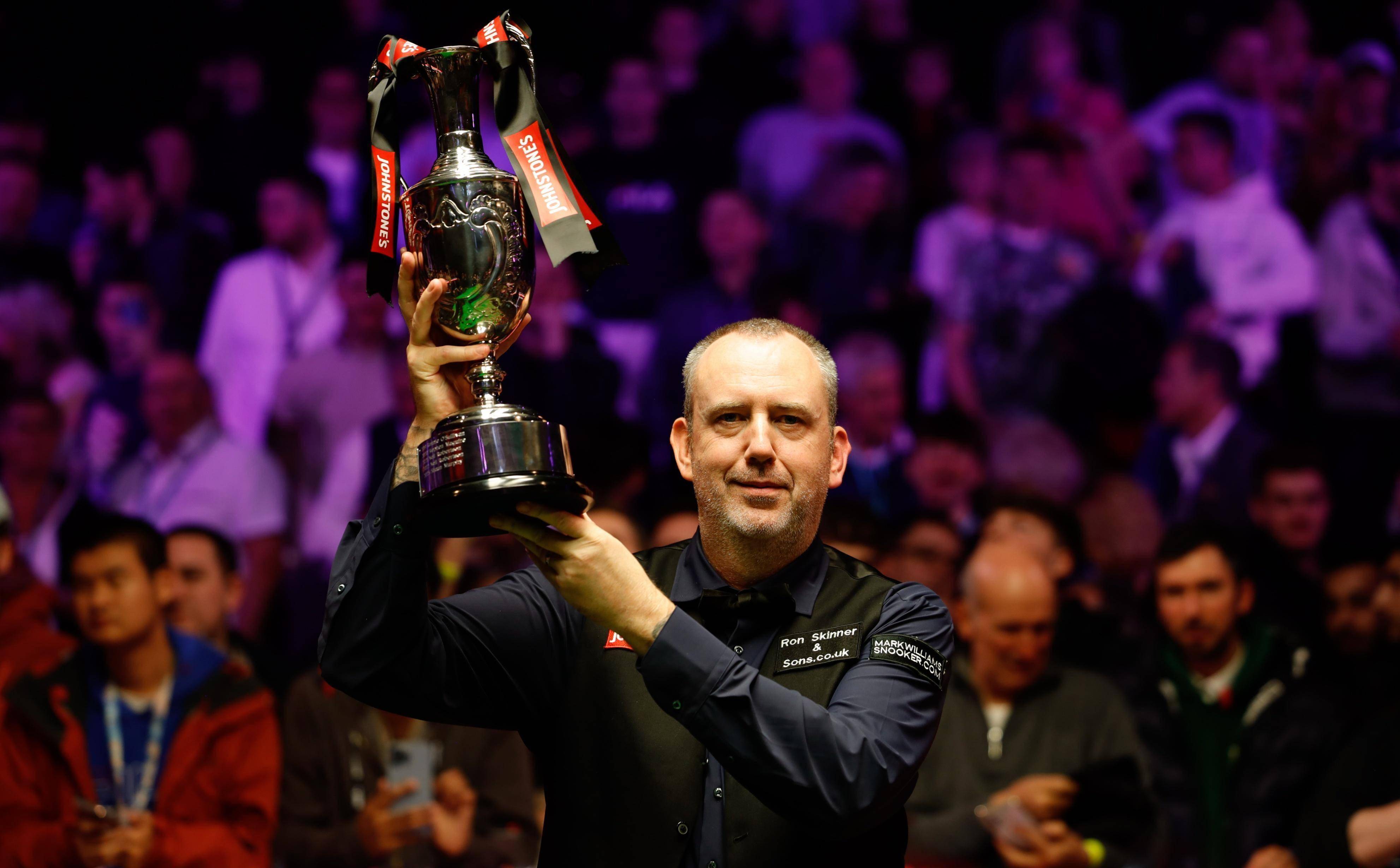
Raising the prize money to the £312,500 champion level will not make players more conservative; on the contrary, it will make those who are behind more willing to take risks, because the returns for being conservative are decreasing, while the returns for taking risks are increasing.
The 25% increase in prize money at the UK Championship is a signal that the organizers want to continue promoting the tournament as a high-value brand. Players see the number of championships, while the professional ecosystem sees top-tier tournaments drawing more attention away from the competition.
This is not bad news for the Chinese team, but it is not a direct benefit either. The higher the prize money, the stronger the motivation of top players to participate, and the tougher the opponents they will face in the first round.
The inclusion of names like Selby and Mark Williams on the first day demonstrates that the UK Championship draw doesn't prioritize viewership; it simply presents the most brutal knockout stages to the audience early on.
The significance of China fielding nine players should be measured within this level of competition. Four seeded players prove that ranking accumulation is effective, and three players who debuted on the first day prove that the competition continues.
Fan Zhengyi challenges Kyren Wilson, and Chang Bingyu and Zhou Yuelong have an internal battle. If you look at these events alongside the main battles, you'll find that the first day actually features ranking defense battles, Grand Slam gaps, and tiered exams for the Chinese contingent all happening at the same time.
These clues converge on the same match day, with the commercial upgrade and competitive brutality of the UK Championship occurring simultaneously. The increased prize money has made the competition more watched, and also made the cost of losing more concrete.
What Chinese snooker needs most is not a lively opening day, but to make the wins on the opening day a regular occurrence throughout the following week. The numerical advantage only holds true after the knockout stage, and the four spots on the opening day are just the first sieve.
The match between Selby and Selt will provide Chinese players with a case study, showing that defense and patience are still valuable in short-format matches. Mark Williams and Maguire, on the other hand, will remind everyone that offensive touch can instantly change the course of a game.
The first day of the UK Championship saw four teams vying for a place in the last 16. On the surface, this was just part of the schedule, but at a deeper level, it was a concentrated effort by the organizers to create suspense. The more high-profile matches there were, the higher the density of topics to discuss on the first day.
From a spectator's perspective, the most noteworthy aspect on the first day is not a particular star player's break, but rather the choices made by the trailing players. With the increased prize money, the trailing players are more likely to choose aggressive attacks, and the turning point of the match will appear earlier.
Chinese players need to learn to think big in this environment and not be swayed by a single win or loss. There are only four spots available on the first day, so few that every mistake could become a turning point in the entire competition.
